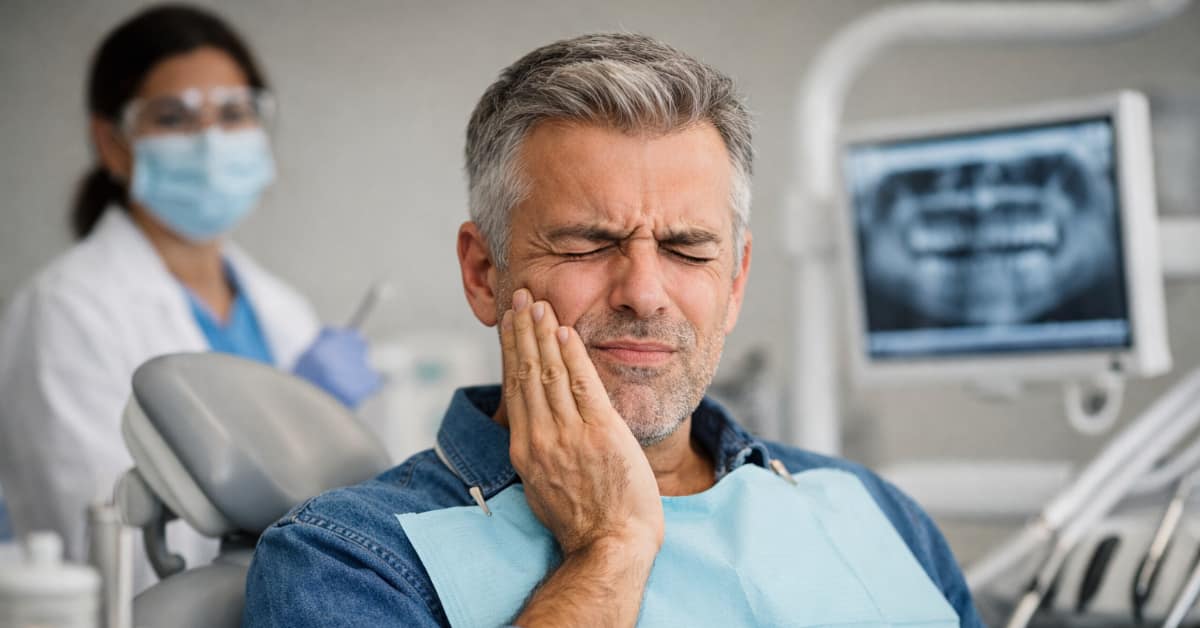


What is Causing My Sudden Tooth Sensitivity to Cold?
Oh my goodness! What is happening? I now have a sharp, shooting pain when I sip ice water or bite into ice cream, which is so uncomfortable.
Tooth sensitivity to cold, mainly when it develops suddenly, is a common dental complaint affecting millions of people, so you are not alone. This sensitivity is known medically as dentin hypersensitivity. It occurs when the protective layers of your teeth become compromised, exposing the sensitive inner structures to temperature extremes.
Let’s explore the causes of sudden tooth sensitivity to cold and what you can do about it.
Enamel Erosion
Dental enamel, the outermost layer of teeth, is the hardest substance in the body. Despite its strength, enamel can gradually wear down due to various factors. When enamel thins, it provides less insulation for the sensitive dentin layer underneath therefore causes sudden tooth sensitivity to cold.
Common causes of enamel erosion include:
- Regular consumption of acidic foods and beverages (citrus fruits, wine, soda)
- Acid reflux, or GERD, exposes teeth to stomach acid
- Aggressive tooth brushing with a hard-bristled toothbrush
- Using abrasive toothpaste
- Grinding or clenching your teeth (bruxism)
While enamel erosion typically occurs gradually, you might suddenly notice the sensitivity when it reaches a critical threshold.
Gum Recession
Healthy gums form a protective seal around the base of your teeth. When gums recede, they expose the tooth roots, which aren’t covered by enamel but rather by cementum—a much softer substance. Once exposed, these roots can be susceptible to cold temperatures.
Gum recession can be caused by:
- Periodontal disease
- Aggressive brushing techniques
- Using a hard-bristled toothbrush
- Tobacco use
- Hormonal changes
- Genetic predisposition
A sudden increase in sensitivity might occur when the recession exposes a particularly sensitive area of the tooth root.
Recent Dental Procedures
It’s common to experience temporary sensitivity following specific dental procedures. These might include:
- Teeth whitening treatments
- Dental fillings
- Crown placements
- Dental cleanings, intense cleanings (scaling and root planing)
This type of sensitivity usually resolves within a few days to a few weeks as the tooth recovers from the procedure.
Tooth Decay and Cavities
Dental caries, commonly known as cavities, form when acids that are produced by bacteria in plaque erode the tooth structure. As a cavity progresses more profoundly into the tooth, it can suddenly reach the dentin layer, resulting in sudden tooth sensitivity to cold. This sensitivity often starts suddenly and may worsen quickly as the decay progresses.
Cracked Tooth or Filling

A crack in your tooth or a loose or broken filling can suddenly expose the sensitive inner layers of your tooth to temperature changes. These cracks can be microscopic and difficult to detect visually, but they can cause significant discomfort when exposed to cold.
Cracks might develop from:
- Biting on hard foods
- Trauma or injury to the mouth
- Temperature extremes (like eating hot food followed immediately by something cold)
- Teeth grinding
Pulp Inflammation (Pulpitis)
The dental pulp is the innermost part of your tooth, containing nerves and blood vessels. When the pulp becomes inflamed—a condition called pulpitis—it can cause hypersensitivity to cold. This inflammation might occur due to deep decay, repeated dental procedures on the same tooth, or trauma.
In cases of reversible pulpitis, the sensitivity is typically sharp but brief. With irreversible pulpitis, the pain may linger and potentially indicate the need for root canal treatment.
Sinus Issues
Interestingly, sinus problems can sometimes manifest as tooth sensitivity, particularly in the upper molars. When your sinuses are inflamed or infected, the pressure can affect the nerves of nearby teeth. This will cause them to become sensitive to temperature changes.
When to Seek Dental Care
While occasional and mild sudden tooth sensitivity to cold might be managed at home with desensitizing toothpaste, sudden and severe sensitivity warrants professional attention.
You should see a dentist if:
- Sensitivity persists for more than a few days
- Pain is severe or prolonged after exposure to cold
- You notice visible changes to your teeth or gums
- You experience additional symptoms like swelling, discharge, or fever
Prevention and Management
To protect your teeth from developing sudden tooth sensitivity to cold:
- Use a soft-bristled toothbrush and proper brushing technique
- Choose toothpaste formulated for sensitive teeth
- Limit acidic foods and beverages
- Rinse your mouth with water after consuming acidic items
- Address teeth grinding with a nightguard if necessary
- Maintain regular dental check-ups and cleanings
Remember that sudden tooth sensitivity can be an early warning sign of dental issues that require treatment. Rather than simply enduring the discomfort or masking it with over-the-counter products, consulting with a dental professional will help address the underlying cause and prevent further complications.
Get Help Today!
Suburban Essex Dental is here to rescue you from this sudden tooth sensitivity to cold and uncomfortable dilemma. Our expert dental staff and top-rated dentist, Dr. Paul Feldman, are here for you. Contact us today to set up a consultation.